
Why I’m creating spaces for folks with chronic illness and pain to find each other.
I remember every detail of that big, living room window. My couch cozied up to it. A hollow spot imprinted in the cushion where I sat almost every day for years. Doubling as my safe space and my short leash. After all my body had been through, my world got really small. Couch sized, you could say.
Isolation & restriction became a fixture of my everyday life. From social butterfly to caged animal.
Healing Was Never Meant To Happen Alone
But when I got sick, I had no choice but to confront those deeply ingrained patterns. Basic tasks like making breakfast or grocery shopping became incredibly difficult.
I was forced to do the thing I was afraid of most: ask for help.
Forced dependence isn’t the healing thing you think it is. For me, it was traumatizing. On top of being disabled, I felt like a complete burden. I was deeply ashamed of needing anyone. More than anything, I just wished I could get better so I wouldn’t have to feel these things anymore.
Living with any type of chronic condition can intensify hyper-independence. Many of us have spent years having to ask for help before we were ready to address that wound.
We Forgot Healing Could Be Fun
As a culture, we speak about healing like it’s a job.
“Healing takes work.”
“You’ve gotta do the healing work.”
“I’m working through it.”
Girl, I get it. I say it too. And to be fair, healing often does feel like work. It’s hard to sift through a lifetime of trauma. It sucks to be on a constant health protocol, searching for answers. Grieving is heavy. Chronic illness and pain are chronically frustrating.
Heart, mind, body—whatever you’re mending, it’s a lot.
But I want to argue something here. Being with your discomfort is only one part of healing. The whole point of walking this path is to live again, have fun, and experience pleasure and connection. I actually think most of us are really good at enduring discomfort. What we struggle with is allowing ourselves to feel good when the opportunity presents itself.
Is it possible to heal when you can’t afford to?
And ya wanna know something? Now that I’m back to paycheck-to-paycheck living, lots of my previous symptoms are getting loud again. The gray cloud of fatigue, nervous system overwhelm, dizzy spells, appetite issues, and a weak immune system are all forcing me to face a question no one seems to know the answer to.
Is it even possible to heal when you don’t have the money to?
The system we live in wasn’t built for us. It wasn’t built to accommodate disability or support healing. It was built for able bodies, and if you’re not an able body, you’re often swept aside and reduced to “lazy.”
How Somatic Healing Shows Up In My Life, In a Real Way.
The other day, I went to get my oil changed.
I sat in the slow line, watching the one next to me shuffle cars in and out at three times the speed. As the minutes passed, something familiar started to rise. For the next 40 minutes, I watched every car get taken before mine—and underneath that, I felt it: A quiet panic. A sense that I was behind. A desperate urgency to catch up.
Turning 28 this month stirred something in me.
“I should be making more money.”
“I haven’t done enough.”
“There’s not enough time.”
“Grow up.”
“Be better.”
These aren’t new thoughts. They’re old patterns—ones I’ve carried since I was young. As a former “golden child,” I learned to earn love through perfection. And certain milestones in life still wake up that part of me—the one that feels like she’s falling short, like she might be left behind.
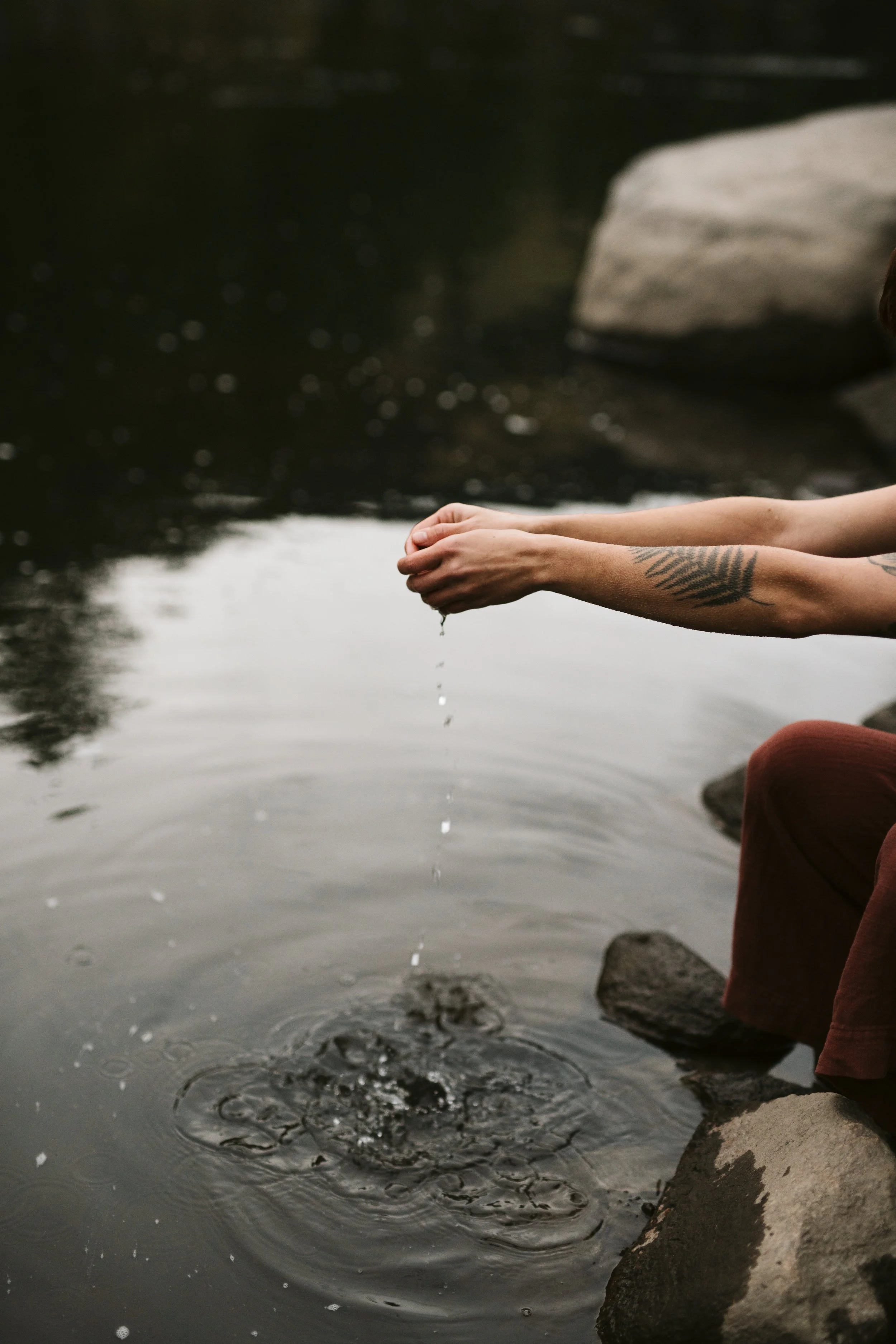
9 Simple Ways to Support Your Lymphatic System at Home
Hello, my friends —
Today I want to share something practical, supportive, and accessible:
nine simple ways you can support your lymphatic system at home.
These are not expensive or complicated. They’re small, everyday practices that help your body do what it’s already designed to do — move fluid, process waste, and support your immune system.
Let’s dive in.
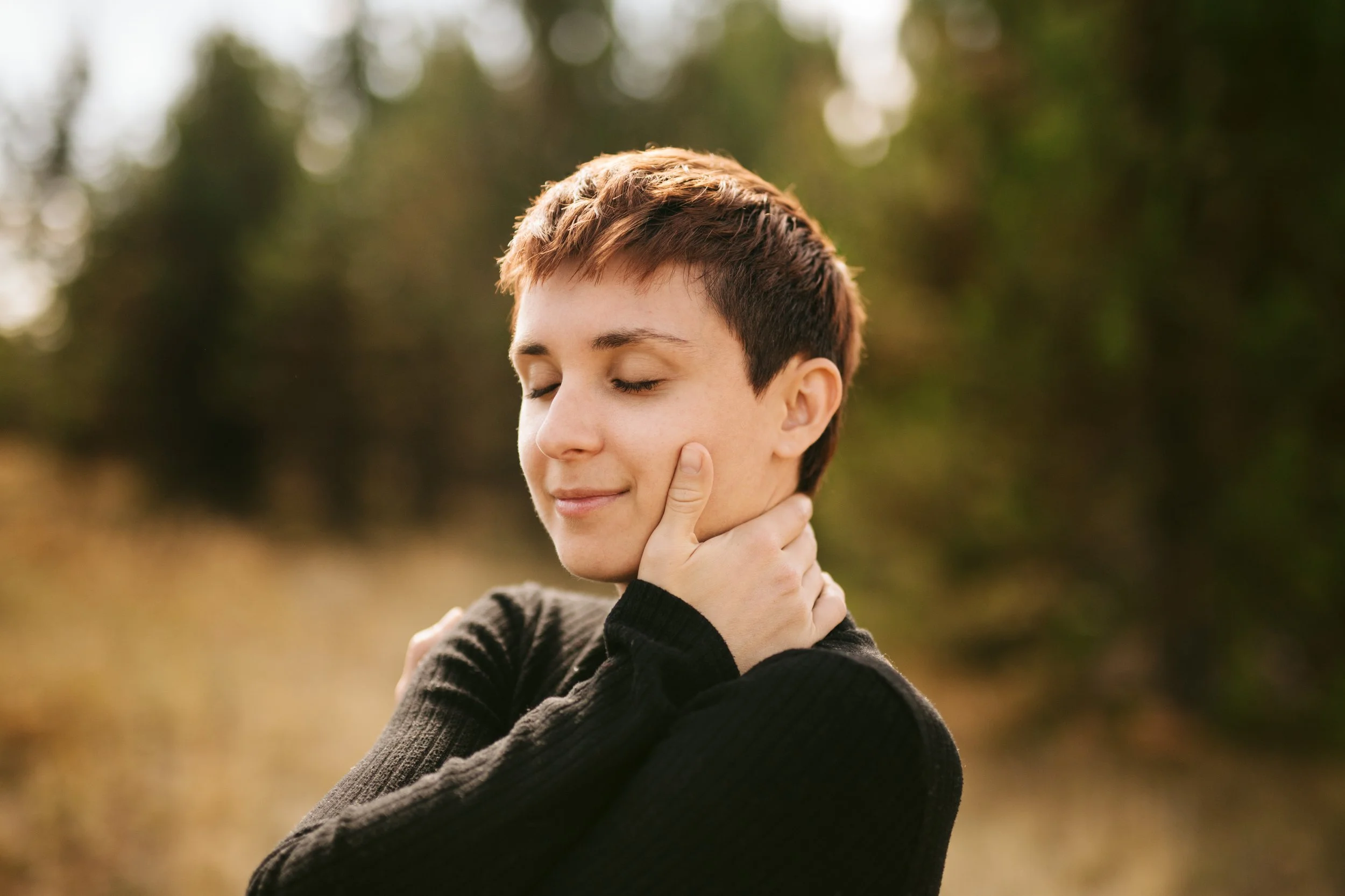
Learning to Live in Your Body Again
A reflection on trauma, nervous system healing, and the courage to feel
Something I’ve learned is this: when it isn’t safe to live in your body, your only option is to live in your head.
The mind is not the enemy. It’s doing its job — detecting patterns, protecting you from harm, solving problems. Its role is to monitor, not to feel. But so often, it becomes overloaded with the responsibility of healing while the body takes a back seat.
Over time, the communication between mind and body weakens — sometimes disconnecting entirely.
And when you can’t hear your body’s subtle cues, it gets louder.

How Do We Feel Safe in an Unsafe World?
As a somatic practitioner, it's my mission to help those with overwhelmed nervous systems feel safe in their skin again. But how do we feel safe in a world where safety is not guaranteed? How do we feel safe while stuck in violent systems?
I'm not proposing we gaslight ourselves by doing breathwork and meditation inside a burning building. What I am proposing is that we learn to be fully present with our grief, pain, anger, sadness, heartbreak, and shame so our nervous systems don't stay stuck in trauma response.